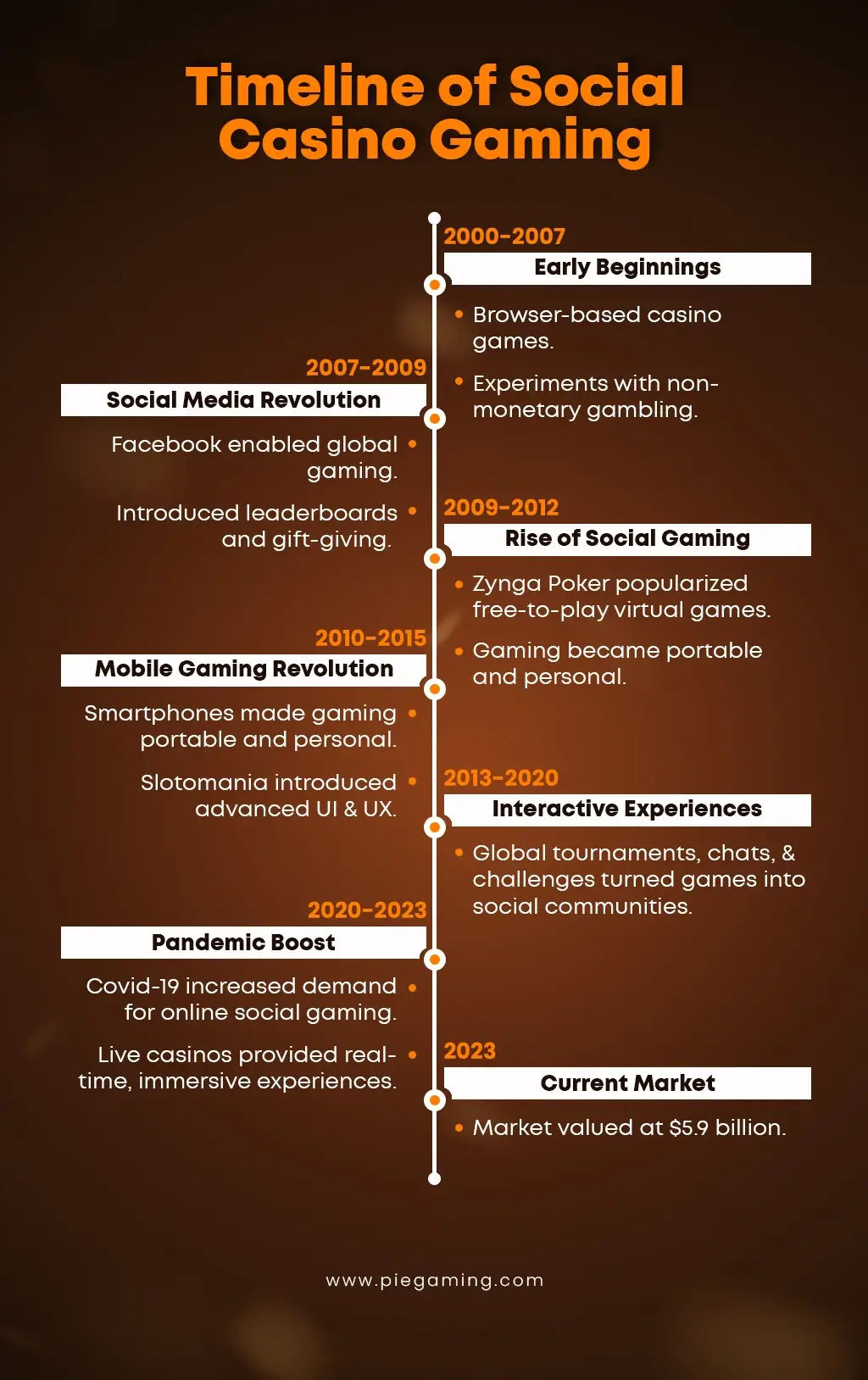
The emergence of social casinos represents a significant shift in the gaming industry, combining traditional gambling elements with social networking features that enhance user engagement and foster community building. Unlike conventional online casinos that require real-money transactions, social casinos predominantly feature free-to-play models where players can enjoy various casino games, including slots, poker, and roulette, using virtual currencies or tokens. This article delves into the fascinating world of social casinos, highlighting their rapid growth, social aspects, and the future of this innovative gaming format.
Understanding Social Casinos
Social casinos are online platforms that simulate the experience of a traditional casino but within a social networking framework. Players can enjoy games in a risk-free environment, as no real money is involved. Instead, participants use virtual credits, which can often be acquired through gameplay or purchased with real money. While players cannot withdraw winnings in cash, the social aspect and the thrill of competition keep users engaged and returning to the platform.
The Mechanics of Social Casinos
At their core, social casinos rely on a freemium model. Players can access many games for free, but they also have the option to purchase virtual coins or tokens to enhance their gaming experience. This model allows players to experience a “gambling” environment without the monetary risk associated with traditional online casinos.
Social casinos often incorporate various mechanics to retain players and encourage interaction. Common features include:
- Social Sharing: Players can connect their social media accounts, allowing them to share achievements and invite friends to join the platform.
- Leaderboards: Competitive elements, such as leaderboards, foster a sense of rivalry, encouraging players to improve their skills and climb the ranks.
- In-Game Events: Many social casinos host regular tournaments and themed events, keeping the gaming experience fresh and exciting.
- Gifting Mechanics: Players can send virtual gifts to friends, enhancing social interactions within the platform.
The Appeal of Social Casinos
The popularity of social casinos surged in recent years, driven by several factors that appeal to a broad audience. Here are a few key reasons for their rise:
- No Financial Risk: The absence of real-money wagers makes social casinos attractive for casual gamers who seek entertainment without the anxiety of losing money.
- Social Engagement: Many players enjoy the social aspect of gambling, and social casinos facilitate this by allowing users to connect with friends and meet new people.
- Diverse Game Selection: Players can enjoy a vast array of games that often mimic popular casino experiences, giving them the feeling of being in an actual casino from the comfort of their homes.
- Accessible Anywhere: With mobile compatibility, social casinos are accessible from smartphones and tablets, making it easy to play anytime, anywhere.
The Role of Technology in Social Casinos
Advances in technology have played a pivotal role in shaping the social casino experience. Incorporating high-quality graphics, immersive sound effects, and smooth gameplay, developers aim to create an engaging user experience. Additionally, features such as augmented reality (AR) and virtual reality (VR) are beginning to make their way into social casinos, further enhancing the level of immersion and interaction.
Moreover, the integration of artificial intelligence (AI) allows for more personalized gaming experiences. Through analyzing player behavior, AI can recommend games that align with individual interests, creating a tailored gaming atmosphere.
The Future of Social Casinos
The future of social casinos appears bright, as they continue to evolve and adapt to players’ preferences. The ongoing integration of new technologies and gaming mechanics will likely pave the way for immersive experiences that blur the line between gaming and social networking even further.
As competition within the industry intensifies, social casinos will need to focus on player retention strategies while continuing to create innovative offerings. The successful platforms will be those that find a balance between entertainment, community building, and engagement.
Challenges Facing Social Casinos
Despite their rising popularity, social casinos are not without challenges. Regulatory issues, particularly concerning advertising and age restrictions, are paramount concerns for many developers. While social casinos do not involve real-money gambling, they must navigate complex laws that differ by region, which can restrict their marketing efforts and lead to legal challenges.
Additionally, as with any online platform
, concerns about user data security and privacy persist. Ensuring that players’ data is protected while fostering a safe and enjoyable gaming environment remains a critical responsibility for social casino operators.
The Role of Community in Social Casinos
Beyond games, social casinos thrive on community. Players are encouraged to form groups, chat with others, and compete against friends. This emphasis on community is what sets social casinos apart from conventional online casinos. Players are not just there to play games; they are part of a larger social experience.
Many social casinos implement community features, such as forums, chat rooms, and group tournaments, where users can connect and share tips or experiences. This communal aspect nurtures a sense of belonging among players, enhancing the overall enjoyment and making the gaming experience more fulfilling.
Conclusion
The rise of social casinos signifies a transformative era in the gaming industry, where the emphasis shifts from purely gambling to a blend of entertainment and social interaction. With their engaging features, diverse game offerings, and community-centric approach, social casinos are capturing the hearts of millions worldwide. As technology continues to advance and new trends emerge, the future of social casinos looks promising, driving innovation and potentially reshaping how we perceive online gaming and social interaction.