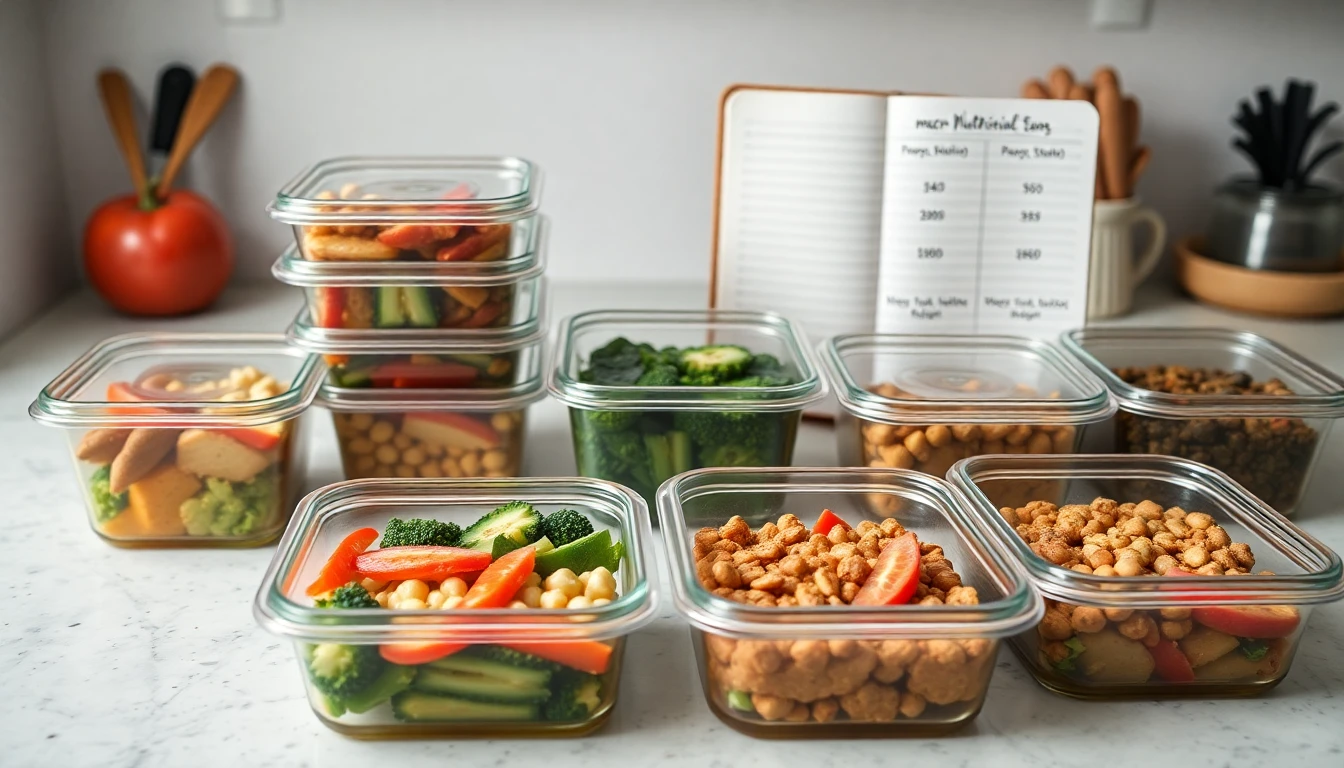
A useful healthy-eating change does not need a detox product or an expensive programme. Adding a wider variety of fibre-containing foods can improve the quality of everyday meals. Fibre is part of a healthy dietary pattern, not a substance that selectively burns belly fat or guarantees weight loss.
Adult educational information, not a personalised diet. This article has not been independently medically reviewed. Digestive disease, allergies and other conditions can change which foods and amounts are appropriate.
What does the guidance actually say?
WHO recommends that people older than 10 aim for at least 25 grams of naturally occurring dietary fibre daily and at least 400 grams of fruit and vegetables. These are population recommendations, not a tailored instruction for every person with a health condition.
Whole grains, vegetables, fruit and pulses are useful food sources. Pulses include beans, lentils, chickpeas and dried peas. The goal is variety across meals rather than finding one supposedly miraculous food. WHO’s broader principles are adequacy, balance, moderation and diversity: fibre alone does not make an otherwise unbalanced diet complete.
Affordable changes you can repeat
Choose one familiar meal to adjust first. That may be adding beans to a soup, serving vegetables with a usual dinner or choosing oats at breakfast. Frozen produce and suitable canned foods can be practical when cost, storage or time make fresh ingredients difficult. Compare added sugar and sodium rather than assuming every packaged food is unsuitable.
| Meal or habit | Possible change | Check first |
|---|---|---|
| Breakfast | Oats with fruit or another suitable whole-grain option | Portion preference and ingredient tolerance |
| Soup or stew | Add beans, lentils or vegetables | Sodium, allergies and digestive tolerance |
| Side dish | Try a whole grain and vegetables | Whether it fits your needs and budget |
| Snack | Consider whole fruit when appropriate | Individual dietary restrictions |
The fibre content depends on the food, preparation and portion. This table is not a measured menu and should not be read as proof that it reaches 25 grams. Use reliable food labels when you need nutrient information.
Why a gradual change can be easier
A sudden large increase in fibre-containing foods can be uncomfortable for some people. Introduce changes gradually and notice how you respond. Drink according to your needs; if you have a prescribed fluid restriction, follow professional advice rather than a general internet drinking target.
Persistent pain, a major change in bowel habits or other concerning digestive symptoms should not be dismissed as a normal dietary adjustment. A clinician or registered dietitian can help adapt intake for a digestive condition. Do not use supplements or a highly restrictive diet to self-treat unexplained symptoms.
Fibre is one part of sustainable eating
Adding a food without changing anything else does not necessarily reduce total energy intake. If weight management is appropriate, NICE recommends a flexible, nutritionally balanced approach that accounts for preferences, finances and medical circumstances. Dietary quality can improve health even without weight loss.
Start with the diet and meal-planning guide. Use the meal builder as an educational planning aid, not a nutrient-accuracy guarantee. The beginner guide can help connect meal habits with enjoyable activity.
Try one change for a week, then review practicality, enjoyment and tolerance. If food tracking encourages anxiety or restrictive eating, a less numbers-focused approach and professional support may be more appropriate.
Sources and evidence limits
Sources checked on 10 November 2026. This summary does not establish that a specific fibre food causes fat loss or treats a digestive disease.