Healthy living is more than a smaller number on the scale. Better food quality, enjoyable movement, muscle strength and sustainable routines can improve health even when weight changes slowly. There is no single newest method that is best for everyone. This guide translates current WHO and NICE guidance into practical starting points for adults.
Scope: general education, not a personalised diet, diagnosis or treatment plan. Pregnancy, adolescence, eating disorders, frailty and medical conditions require different advice. This article has not been independently medically reviewed.
1. Improve food quality before chasing a special diet
WHO describes four foundations of a healthy diet: adequacy, balance, moderation and diversity. In practice, this means meeting nutrient needs, balancing intake with activity, limiting excess free sugars and sodium, and eating varied foods. A healthy pattern can fit different cultures and budgets; it does not require expensive supplements or specialist products.
Build meals around vegetables, fruit, pulses such as beans and lentils, whole grains, and suitable protein foods. Frozen vegetables and canned beans can be useful options; compare added sugar and sodium, and rinse beans when appropriate. Include sources of unsaturated fats rather than treating all dietary fat as harmful.
WHO recommends at least 400 grams of fruit and vegetables and at least 25 grams of naturally occurring dietary fibre daily for people older than 10. These are population recommendations, not a personalised prescription. Increase fibre gradually if needed; people with digestive conditions may need individual advice.
| Starting habit | Possible change | Why consider it? |
|---|---|---|
| Frequent sugary drinks | Water or unsweetened drinks more often | Reduces free-sugar intake |
| Meals with few plant foods | Add vegetables, fruit, beans or lentils | Adds variety and dietary fibre |
| Skipping meals, then feeling very hungry | Try a regular meal pattern that fits your schedule | May make planning and appetite management easier |
| Buying a restrictive diet programme | Plan affordable balanced meals you enjoy | Supports consistency without excluding whole food groups unnecessarily |
For meal-planning ideas, explore the diet and meal-planning guide. Food allergies, kidney disease, diabetes medicines and other conditions can change what is appropriate.
2. Build activity you can repeat, including strength work
Walking, cycling, swimming, wheeling, gardening and adapted exercise all count as movement. WHO emphasises that physical activity benefits physical and mental health, and that reducing inactivity matters. Begin with an amount suited to your ability and build gradually. A hard HIIT session is not a requirement for healthier living or fat loss.
Combine aerobic activity with muscle-strengthening activity appropriate to your circumstances. Keeping strength and everyday function is especially important during weight loss. If exercise is new to you, a manageable walking routine and basic strength practice may be more sustainable than immediately adopting high-intensity workouts.
Read the walking and daily activity guide and the strength-training guide. Seek individual guidance if pain, disability, heart or lung disease, or a recent operation affects activity. Stop exercising and seek urgent help for symptoms such as chest pain, fainting or severe unexpected breathlessness.
3. Separate health improvement from rapid weight loss
NICE recommends flexible, individualised approaches that consider preferences, finances, medical conditions and eating difficulties. Improving dietary quality can benefit health even without weight loss. If weight management is appropriate, sustained weight loss generally requires energy intake below energy expenditure, but the way to achieve that should be nutritionally balanced and supported.
Low-carbohydrate, lower-fat and other approaches can all reduce energy intake. Their labels do not make them automatically superior. Choose a pattern you can sustain without persistent hunger, nutrient inadequacy or distress. Weight regain can happen and is not evidence of moral failure.
Fasting is an optional eating schedule, not a compulsory health treatment. Do not start it without individual advice if you are pregnant or breastfeeding, take glucose-lowering medicines, have an eating-disorder history, or have medical circumstances that make restriction risky. Prescription weight-management medicines are a separate clinician-led topic: this website should explain them, not diagnose eligibility or recommend doses.
NICE advises that low-energy and very-low-energy diets should only be used in defined clinical circumstances with appropriate support; they are not long-term do-it-yourself strategies. Avoid promises of detoxification, spot-reducing belly fat or an exact goal date.
4. Treat your tools as estimates, not medical measurements
The existing energy-needs calculator can help explain how estimates are made. Actual energy expenditure varies, and an output should not be treated as an exact calorie prescription. The timeline tool should be interpreted as a scenario, not a promised date.
A photograph or AI-generated body-fat estimate is not a validated medical body-composition measurement. Lighting, posture, clothing and model assumptions can change a result. Do not use it to diagnose disease or decide whether you need treatment. Before uploading any photo, understand where it is sent, who processes it and whether it is retained.
5. A realistic first week
- Choose one food habit: add vegetables to a usual meal or replace a frequent sugary drink.
- Choose one movement habit: schedule a comfortable walk or adapted activity on several days.
- Plan ahead: prepare a simple shopping list and make the easier choice accessible.
- Notice useful outcomes: record energy, strength, enjoyment and consistency, not only weight.
- Review rather than punish: adjust an unrealistic goal and seek professional support when needed.
This is an illustrative habit-building sequence, not a clinical programme or a promise of results. You can start without calorie counting. If tracking makes you anxious or encourages restrictive eating, pause and discuss a different approach with an appropriate professional.
Sources and evidence limits
Sources checked on 10 November 2026. Publication or guideline review dates do not mean every individual recommendation is new. This summary does not claim to be a systematic review.
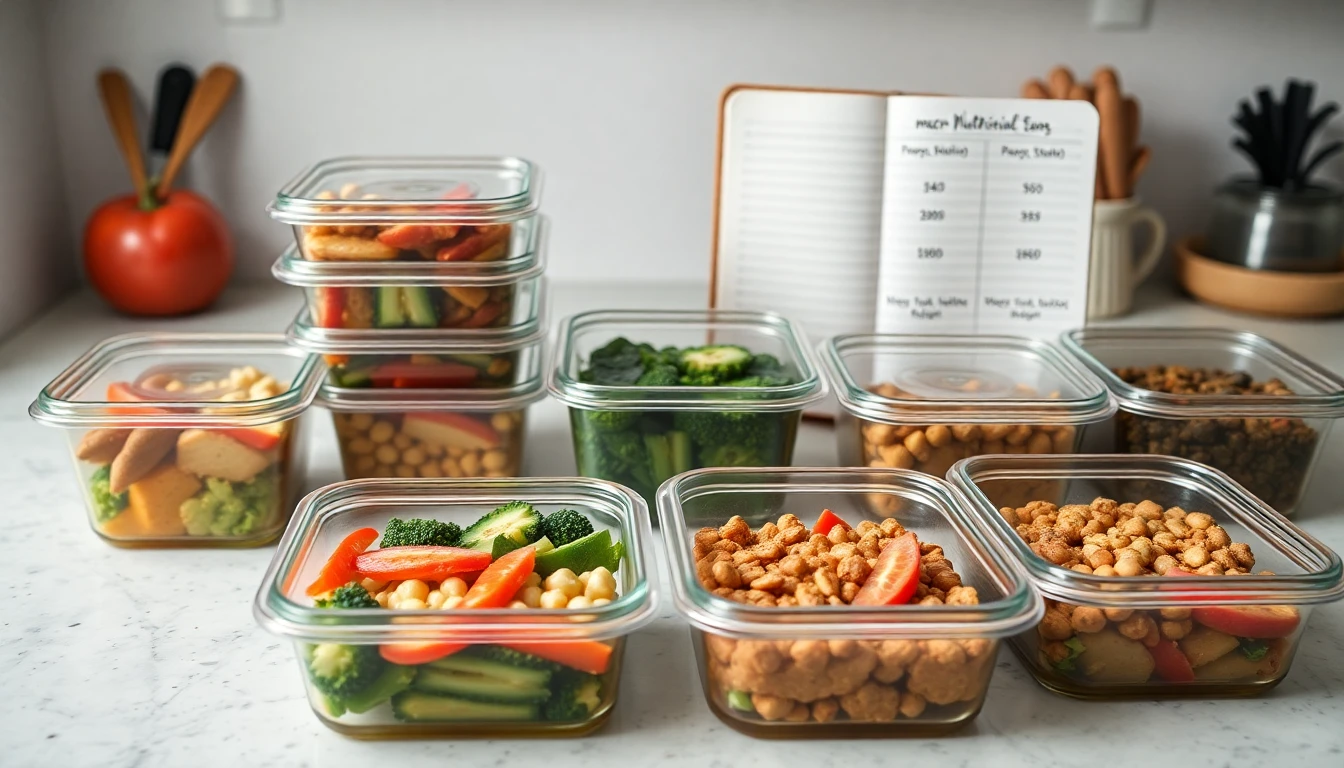
At a glance: practical starting points
Illustrative habit summary, not a clinical programme or a guarantee of results.
Variety
Include vegetables, fruit, pulses and other suitable foods.
Practicality
Choose affordable meals that fit your culture.
Flexibility
Adjust for allergies, health needs and preferences.
Watch: Understanding BMI: health tips in English
From the publisher’s Knee Pain Management channel; not independently medically reviewed. BMI is a screening measure, not a diagnosis or direct body-fat measurement.
Loading the player connects to YouTube/Google. No player loads until you choose to load it; playback does not start automatically.